What to Expect During Your First Gum Disease Treatment Visit
Walking into a dental office for your first gum disease treatment visit can feel different from a routine cleaning. Most people have at least a few quiet worries in the back of their mind. Will it hurt? How long will it take? Is this something minor, or has it been building for years without obvious signs?
Those questions are normal. Gum disease often advances more quietly than cavities or a cracked tooth. A person may notice bleeding when brushing, bad breath that does not fully go away, or gums that look puffy or receded, but still feel surprised when a dentist or periodontist recommends treatment. The first treatment appointment is where uncertainty starts to give way to a plan.
What happens at that visit depends on the stage of the disease, the amount of tartar beneath the gumline, your medical history, and whether the office is handling the condition through non surgical care or preparing you for specialist treatment. Still, there is a general rhythm to the appointment, and knowing that rhythm makes the experience easier.
Why this visit feels different from a standard cleaning
A regular cleaning focuses on removing plaque and tartar from the visible surfaces of the teeth and just slightly below the gumline in a mouth that is otherwise stable. Gum Disease Treatment is different because the target is active infection and inflammation in the supporting structures around the teeth.
That distinction matters. When bacteria and hardened deposits collect deeper under the gums, the tissue becomes irritated and begins to detach from the teeth. Tiny spaces, called periodontal pockets, deepen over time. Bone can also be affected. The goal at your first treatment visit is not simply to polish the teeth and send you home feeling fresh. It is to disrupt the disease process and create conditions where the gums can begin to heal.
For some patients, that first visit includes deep cleaning, often called scaling and root planing. For others, especially if the disease is advanced, the visit may include a more detailed periodontal evaluation and a staged plan rather than full treatment in one sitting. That is one reason two people can leave similar offices with very different stories about what happened.
The conversation usually starts before any instruments come out
If this is your first periodontal treatment visit, expect the appointment to begin with discussion rather than action. A dentist, hygienist, or periodontist will usually review your symptoms, medical history, medications, and any previous dental experiences that could affect treatment.
This part can feel routine, but it is clinically important. Diabetes, smoking, pregnancy, autoimmune conditions, certain heart medications, blood thinners, dry mouth, and even stress can affect gum health and healing. If you have ever postponed dental care because of anxiety or a bad past appointment, say so. Offices that treat gum disease regularly hear this every day, and it helps them pace treatment properly.
You may also be asked about changes you have noticed, even if they seem small. Common things patients mention include bleeding when flossing, tenderness while chewing, teeth looking longer than before, a bad taste in the mouth, or a sense that food gets trapped more easily. Sometimes the most useful clue is simply, “My gums have not felt normal for a while.”
Expect a closer exam than you may be used to
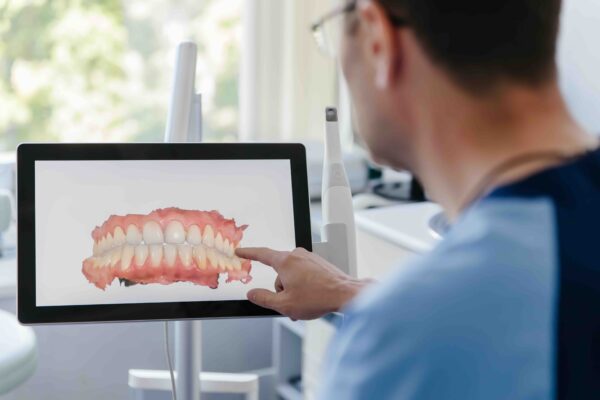
The examination for gum disease is more detailed than what happens at many recall visits. The clinician is trying to measure the severity and pattern of the disease, not just confirm that it exists.
A periodontal probe, which is a thin measuring instrument, is often used to check the depth of the pockets around each tooth. In healthy gums, these measurements are usually shallow. Deeper readings can suggest tissue detachment and bone loss. You may hear numbers called out during the exam. Patients often fixate on those numbers, especially when they hear a 5, 6, or higher, but what matters most is the overall pattern and whether there is bleeding, swelling, mobility, or recession in the same areas.
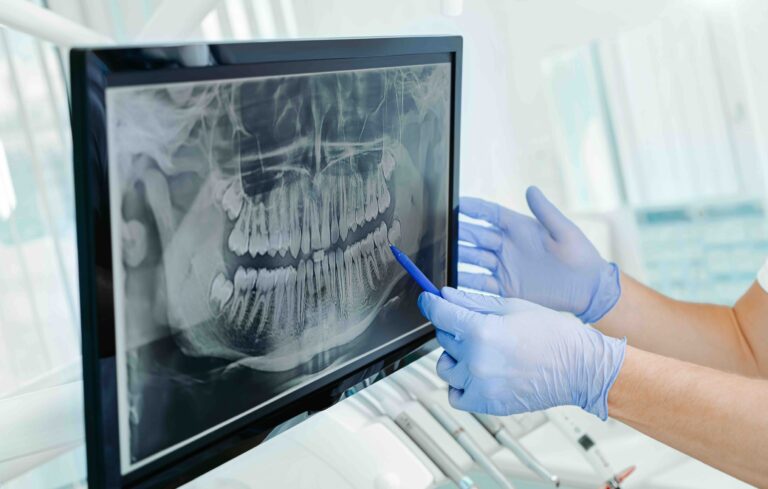
X rays are also commonly reviewed or taken if recent ones are not available. They help show bone support around the teeth, tartar below the gums, and other issues that can complicate care, such as broken fillings, poorly contoured crowns, or teeth with questionable prognosis.
At this point, the office can usually tell whether your condition falls into mild gingivitis, early periodontitis, or a more advanced form of gum disease. That diagnosis shapes everything that comes next.
You may receive treatment the same day, or the plan may be staged
Many patients expect a diagnosis and immediate treatment in one uninterrupted sequence. That does happen, especially when the disease is moderate and the office has enough time blocked out. But it is not the only normal pathway.
In some practices, especially busy general dental offices, the first appointment is partly diagnostic and partly therapeutic. The team may complete the exam, review findings, and begin treatment on one side of the mouth or in one section. In other settings, particularly when there is extensive inflammation or patient anxiety, the office may prefer to spread treatment over more than one visit.
Neither approach automatically means the condition is mild or severe. It often reflects practical decisions about comfort, anesthesia, scheduling, and how much bacterial buildup needs to be removed. Deep gum deposits take time to clean thoroughly. Rushing through them helps no one.
If deep cleaning is recommended, here is what that typically involves
Scaling and root planing remains one of the most common first line approaches to Gum Disease Treatment. Patients often call it a deep cleaning, which is understandable, though the clinical goal is more specific. The provider is removing plaque, tartar, and bacterial toxins from below the gumline and smoothing root surfaces so the gum tissue has a better chance of reattaching and calming down.
The treatment may be done with ultrasonic instruments, hand instruments, or a combination of both. Ultrasonic scalers use vibration and water to break up deposits. Hand scalers allow for more tactile refinement in tight or stubborn areas. Most clinicians use both because each has strengths. Heavy buildup often comes off more efficiently with ultrasonic tools, while hand instruments help fine tune areas with precision.
Patients sometimes imagine this as a dramatic scraping session from start to finish. In reality, experienced clinicians work methodically. They often move tooth by tooth, pocket by pocket, checking the feel of the root surfaces as they go. A well performed periodontal cleaning is careful work. It is less about force and more about access, visibility, and thoroughness.
Numbing is common, and it usually makes the visit easier
One of the biggest fears patients bring into a first treatment visit is pain. Most are relieved to learn that local anesthetic is commonly used when treatment goes below the gumline in inflamed areas.
You may receive numbing injections in the part of the mouth being treated. Some offices also apply topical anesthetic first to reduce the initial pinch. Once the area is numb, pressure and vibration are still possible, but sharp discomfort is usually much more manageable. If you are especially sensitive, tell the team before they start rather than trying to power through it. Small adjustments in anesthetic, pacing, or technique can make a large difference.
Not every patient needs extensive numbing. Someone with milder inflammation and shallow deposits may tolerate treatment with minimal anesthesia. Someone with advanced disease, exposed roots, or previous sensitivity often benefits from a more generous approach. This is one of those areas where individualized care matters more than internet stories.
Sensations during treatment are usually strange before they are painful
Patients often describe the visit afterward using words like pressure, vibration, cold water, fullness, and occasional tenderness. That is a more accurate picture than the simple idea of pain.
Inflamed gums can bleed during treatment. This is not necessarily a sign that something is going wrong. Diseased tissue is fragile, and cleaning those areas can provoke bleeding. Once the bacterial load starts to drop and home care improves, that bleeding often decreases noticeably over the following days and weeks.
If the buildup has been there for a long time, you may also notice a cleaner, slightly more open feeling between teeth after treatment. Some people are surprised by this. What they are actually feeling is the absence of swollen tissue and tartar that had been occupying space. It can take a little while for the mouth to adjust to that sensation.
The appointment may last longer than a regular hygiene visit
Time is one of the clearest differences between routine cleaning and periodontal treatment. A simple cleaning might fit neatly into a standard appointment slot. Gum disease care rarely does.
A first treatment visit may run anywhere from about 45 minutes to well over 90 minutes, depending on how much of the mouth is treated, how much anesthesia is needed, and how complex the deposits are. Some clinicians treat one half of the mouth per visit. Others divide treatment by upper and lower arches or by quadrants. The deeper the pockets and the heavier the tartar, the longer the appointment tends to be.
This is also why patients are often advised not to schedule something time sensitive immediately afterward. If your mouth has been numb for a few hours and you need to give a presentation, meet a client, or eat lunch in a hurry, the timing can become awkward.
You will probably hear instructions that sound simple, but matter a great deal
The treatment itself is only part of the process. What you do in the first few days afterward plays a real role in healing. Offices differ in the exact details they give, but the advice usually centers on keeping the area clean, managing tenderness, and watching for anything unusual.
A typical aftercare checklist may include:
- Brush gently but thoroughly, even if the gums feel tender.
- Follow the flossing or interdental cleaning instructions specific to your mouth.
- Use any prescribed rinse exactly as directed.
- Stick to softer foods for the rest of the day if chewing feels sore.
- Call the office if swelling, severe pain, or prolonged bleeding seems out of proportion.
What surprises many people is that the gums often feel a little better before they look fully normal. Bleeding may lessen within days, but complete tissue response takes longer. Healing is not usually dramatic overnight. It is more of a steady quiet shift toward less inflammation.
Some soreness afterward is normal, but extremes are not
After a first Gum Disease Treatment visit, it is common to feel mild tenderness, especially when the numbing wears off. Teeth may feel slightly sensitive to cold because root surfaces have been cleaned more thoroughly and swollen tissue is beginning to settle. Gums can feel a bit bruised for a day or two. None of that is unusual.
A rough rule from clinical practice is that mild to moderate discomfort should gradually improve, not intensify. If a patient feels significantly worse on day three than on the evening of treatment, that deserves a phone call. The same is true for persistent throbbing pain, marked swelling, fever, or bleeding that does not ease.
There is also an edge case worth mentioning. Patients who have had heavy tartar buildup for years sometimes report that their teeth feel slightly looser after treatment. That can be alarming, but sometimes they are simply noticing the absence of hard deposits that were masking mobility already caused by bone loss. It is not pleasant to hear, but it is better to address the actual condition than to let the buildup keep hiding it.
The first visit is also when home care gets more specific
General advice like “brush and floss better” is not enough for someone with active periodontal disease. A good first treatment visit usually includes practical guidance tailored to the mouth in front of the clinician.
If you have wider spaces between teeth, floss alone may not be the best tool. Interdental brushes can work better in those areas. If you have recession and sensitive roots, the office may suggest a softer technique and a low abrasion toothpaste. If dexterity is limited because of arthritis or another condition, an electric toothbrush may be more realistic than asking for perfect manual brushing.
This is where professional judgment matters. The best home care plan is not the most impressive one on paper. It is the one a patient can actually sustain twice a day when life is busy and motivation dips. A simple plan followed consistently beats an elaborate plan abandoned after four days.
You may leave with a maintenance schedule that feels more frequent than expected
One common surprise after initial treatment is the recommendation for periodontal maintenance visits every three to four months rather than twice a year. This is not a sales tactic when it is appropriately recommended. It reflects how gum disease behaves.
Once someone has had periodontitis, the supporting tissues need closer monitoring. Bacterial repopulation below the gums can happen faster in susceptible patients than the six month interval assumes. Maintenance visits allow the office to reassess pocket depths, remove recurrent deposits, reinforce home care, and catch relapse early.
For patients who have gone many years hearing “see you in six months,” this can feel like a major shift. In practice, many come to appreciate the difference after the gums stabilize. The appointments often become easier, less invasive, and more predictable than treatment visits.
Questions worth asking before you leave
A first gum disease treatment visit can leave patients with more information than they can absorb in one sitting. It helps to ask a few direct questions while the findings are still fresh and the team can point to the exact areas of concern.
Helpful questions include these:
- Which parts of my mouth are most affected right now?
- Did you complete all needed treatment today, or will I need additional visits?
- What should I expect over the next week in terms of soreness and bleeding?
- What home care tool will make the biggest difference for me personally?
- When will you recheck the pocket measurements?
These questions do more than satisfy curiosity. They tell you whether the office is thinking in a tailored, measurable way. Good periodontal care is specific. It should not sound like a generic speech given to every patient.
When treatment leads to a referral
Some first visits end with treatment in the same chair where the diagnosis was made. Others lead to referral to a periodontist, which is a dentist with advanced training in gum and supporting bone conditions. A referral is often recommended when the pockets are deep, bone loss is significant, teeth are mobile, gum recession is severe, or surgical options may be needed later.
Patients sometimes hear referral and assume something has gone terribly wrong. That is not usually the right interpretation. It often means the general dentist wants specialist input for a more complex case. In the same way a family physician refers to a cardiologist for certain heart conditions, a dentist may refer to a periodontist for advanced gum disease. It is a sign that the case deserves focused expertise.
What the best first visits have in common
The strongest first Gum Disease Treatment visits share a few qualities, even across very different offices. The findings are explained in plain language. The provider distinguishes between what is inflamed now and what structural damage has already occurred. Comfort is taken seriously. The treatment plan is clear about what happened today, what still needs to happen, and what your own role will be at home.
Patients usually leave those https://landendamq323.quillnesty.com/posts/what-to-expect-during-your-first-gum-disease-treatment-visit visits feeling two things at once: relieved that treatment has started, and sober about the fact that gum disease is not a one time fix. That is a realistic response. Periodontal care is often less about a dramatic rescue and more about changing the long term trajectory of the mouth.
If you are heading into your first appointment, the useful mindset is this: expect a visit that is more thorough than a standard cleaning, more personalized than generic dental advice, and more manageable than your anxiety may be suggesting. Most patients do not walk out saying it was fun. Many do walk out saying it was far easier, clearer, and more worthwhile than they had feared.
Dental Group Of Beverly Hills
Address: 8641 Wilshire Blvd #125, Beverly Hills, CA 90211
Phone number: +13109296335
FAQ About Gum Disease Treatment
How to improve gum health quickly?
To improve gum health quickly, eliminate plaque buildup by brushing for two full minutes twice a day at a 45-degree angle to the gumline. Floss daily to clean under the gumline, and rinse with an antimicrobial, alcohol-free mouthwash. For immediate relief of soreness, use a warm saltwater rinse.
What is the fastest way to cure gum disease?
To quickly cure early-stage gum disease (gingivitis), eliminate the plaque buildup causing the inflammation. Brush gently but thoroughly for two minutes twice daily, floss daily, and use an antibacterial mouthwash or a warm saltwater rinse. However, if tartar has hardened, professional treatment is necessary.
How do I treat my gum disease at home?
You can treat early gum disease at home by practicing strict daily oral hygiene, rinsing with salt water or antibacterial mouthwash, and quitting smoking. True gum disease (especially advanced forms like periodontitis) cannot be fully cured at home once tartar forms, and you must see a dentist for professional cleanings.