Scaling and Root Planing Explained in Gum Disease Treatment
When a patient hears the phrase “deep cleaning,” it often sounds routine, almost cosmetic. Scaling and root planing is neither. It is one of the most important non-surgical tools in gum disease treatment, and it sits in that critical middle ground between a standard cleaning and more advanced periodontal surgery. Done well, it can calm inflammation, reduce pocket depth, preserve supporting bone, and help someone keep teeth that might otherwise loosen over time. Done too late, or done without the right follow-up, it can become just one step in a much longer struggle.
The confusion usually starts with the name. Scaling and root planing sounds technical, but https://www.google.com/maps?cid=18093465857196756038 the basic idea is straightforward. Gum disease develops when bacterial plaque is allowed to mature around and beneath the gumline. Over time, that plaque hardens into calculus, often called tartar, and the surface of the tooth root becomes a place where bacteria can cling and thrive. The gums respond with inflammation. They swell, bleed, pull away from the teeth, and create deeper spaces known as periodontal pockets. Scaling removes the deposits. Root planing smooths the root surface so the tissues have a cleaner, less irritating surface against which they can heal.
That distinction matters. A regular dental cleaning focuses mainly on the visible parts of the teeth and is intended for mouths without active periodontitis. Scaling and root planing is therapeutic. It is recommended when there is evidence that disease has moved below the gumline and begun damaging the structures that support the teeth.
Where it fits in the course of gum disease
Gingivitis is the early stage, when gums are inflamed but the bone and connective tissues have not yet suffered permanent destruction. At that point, a routine cleaning paired with better home care may be enough. Periodontitis is different. Once attachment loss or bone loss appears, the goal is not simply to polish teeth. The goal is to stop further breakdown.
This is where scaling and root planing earns its place. In clinical practice, it is commonly recommended for mild to moderate periodontitis and, in some cases, as a first-line therapy even in more advanced disease. That does not mean it cures every case on its own. Some patients respond beautifully. Others improve only partially because of anatomy, smoking, uncontrolled diabetes, heavy calculus deposits, deep defects, or longstanding disease. Still, it is often the most sensible first move because it reduces the bacterial burden and gives the tissues a chance to settle before anyone decides whether surgery is truly needed.
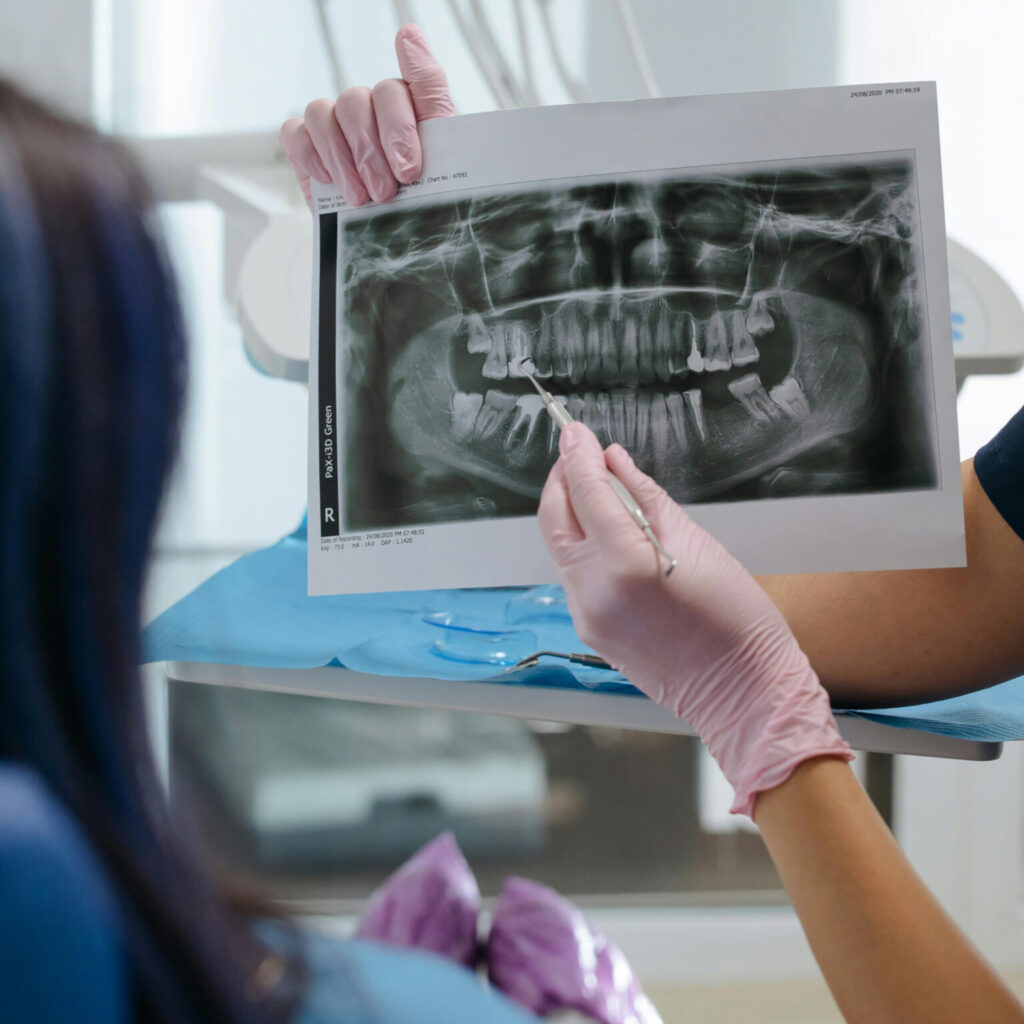
A common scenario looks like this: a patient comes in saying, “My gums bleed every time I brush, but they don’t hurt.” On examination, there may be four to six millimeter pockets around several teeth, inflamed tissue, bleeding on probing, and X-rays that show early bone loss. It is not dramatic from the patient’s perspective. Teeth may still feel strong. But biologically, the disease is active. That is exactly the sort of case where scaling and root planing can change the trajectory.
What actually happens during the procedure
The procedure is usually completed by a dentist or dental hygienist with periodontal training, often over more than one visit. Many offices divide the mouth into sections, treating one half or one quadrant at a time. That approach keeps the appointment manageable and allows adequate local anesthesia, because deep cleaning below inflamed gums is uncomfortable if done without proper numbing.
Scaling is the removal phase. Instruments are used to clear plaque, calculus, and bacterial toxins from the tooth surfaces above and below the gumline. Some clinicians rely heavily on ultrasonic scalers, which use vibration and water irrigation to disrupt deposits efficiently. Others combine ultrasonic and hand instruments, especially when they want tactile precision on root surfaces or in narrow areas. In reality, the best treatment often uses both. Ultrasonics are efficient and excellent for biofilm disruption. Hand curettes can refine surfaces and reach spots where finesse matters.
Root planing follows. Despite the name, modern root planing is not about aggressively scraping away large amounts of tooth structure. Years ago, it was described in a way that made it sound almost like sanding down the roots. Current periodontal care is more conservative. The aim is to remove contaminated deposits and leave the root surface biologically acceptable for healing, not to gouge the tooth. Experienced clinicians know that balance matters. Too little instrumentation leaves disease behind. Too much can cause sensitivity and unnecessary loss of root surface.
The appointment itself varies. Some cases take under an hour per side of the mouth. Others run longer, especially if calculus is heavy, roots are complex, or the patient has not had professional care in years. Bleeding during treatment is common because inflamed tissue is fragile. Patients are often surprised by how different the mouth feels afterward. The teeth can feel cleaner, sometimes slightly rough in areas where bulky tartar had hidden contour changes, and the gums may feel tender for a couple of days.
Why root surfaces matter so much
The part of the tooth above the gumline is covered in enamel, which is hard and relatively smooth. The root is different. It is covered by cementum, which is thinner and more vulnerable. Once gum disease exposes the root and bacteria colonize it, the root can become a reservoir for inflammation. The body struggles to maintain a healthy seal against a contaminated surface.
That is why scaling alone is not always enough in periodontal therapy. If hardened deposits and bacterial biofilm remain on the root, the gums tend to stay swollen and pocket depths remain deeper than they should. A properly treated root surface allows the tissue to shrink, reattach in a limited way, and create an environment that is easier for the patient to keep clean. It does not regrow enamel. It does not rebuild lost bone by itself. But it can reduce the chronic inflammatory burden, which is the essential first victory in gum disease treatment.
How dentists decide whether you need it
The recommendation is not based on one bleeding spot or a little tartar behind the lower front teeth. It comes from a fuller periodontal assessment. That usually includes probing measurements around each tooth, an evaluation of bleeding, assessment of gum recession, tooth mobility, furcation involvement in molars, calculus levels, plaque accumulation, and radiographs to look at bone support.
Depth numbers matter, but they are not the whole story. A five millimeter pocket in a smoker with heavy subgingival calculus and bleeding is different from a five millimeter reading caused partly by swollen tissue in an otherwise healthy young adult. Clinical judgment comes into play. So does pattern. Localized disease around a couple of teeth may have a different cause and prognosis than generalized disease throughout the mouth.
Dentists also consider risk factors that shape healing. Smoking is one of the biggest. It can mask bleeding, which sometimes makes gums look less inflamed than they really are, while at the same time impairing blood flow and healing. Diabetes, especially when poorly controlled, increases susceptibility to periodontal breakdown and can blunt treatment response. Dry mouth, certain medications, stress, clenching, crooked teeth, old restorations with rough margins, and inconsistent home care all influence the plan.
What patients usually feel afterward
Recovery is usually manageable, but it is not identical for everyone. The first forty eight hours often bring some soreness, especially when treatment was extensive or inflammation was heavy. Cold sensitivity is common because swollen gums begin to tighten and shrink, exposing root surfaces that were previously covered. That change is often a sign that inflammation is resolving, though it can catch people off guard. A patient who could drink iced water comfortably before treatment may suddenly feel a sharp zing afterward.
Most of the time, sensitivity improves over days to weeks. Desensitizing toothpaste helps. Fluoride varnish or prescription-strength products can also make a difference. Gentle brushing is important, even when the gums feel tender. Avoiding the area because it is sore tends to allow plaque to return quickly, and that undermines the entire procedure.
There can also be small visible changes in the way the gums look. When inflammation goes down, puffiness disappears. Spaces between the teeth may look slightly more open. Patients sometimes worry that the cleaning “made the gums recede,” when what they are really seeing is the loss of swollen tissue that had been masking the true contours. It is a common and understandable concern, and it is better to explain it before treatment than after.
What scaling and root planing can and cannot do
This is where expectations need to be honest. Scaling and root planing can reduce pocket depths, decrease bleeding, lower bacterial load, and improve the health of the gum tissues. In many cases, it stabilizes disease effectively enough that surgery is not needed right away, or at all. For mild to moderate periodontitis, that is a substantial win.
It cannot reverse every structural change. Lost bone does not simply come back because the roots were cleaned. Advanced defects around teeth may still require periodontal surgery, regenerative procedures, or extraction if support is too compromised. Deep pockets around molars with furcation involvement are especially challenging because the anatomy makes them difficult to clean, both professionally and at home. Even with excellent treatment, those teeth often demand more maintenance and more realistic conversations about long-term prognosis.
There is also a practical truth clinicians learn quickly: the procedure succeeds only when the patient participates. A beautifully debrided root surface can become re-colonized with plaque very quickly if brushing and interdental cleaning do not improve. That is not a moral judgment. It is biology. Periodontal therapy is one of the clearest examples in dentistry of shared responsibility.
The role of antibiotics and adjunctive therapies
Patients often ask whether antibiotics can replace scaling and root planing. They cannot. In gum disease, bacteria are organized in biofilm, and biofilm protects microbes from both the immune system and medications. Physical disruption is essential. That is why the instruments matter so much.
Antibiotics may still have a role in selected cases. Local antimicrobial agents placed directly into pockets can be useful in specific sites, particularly when a few areas remain stubborn after mechanical treatment. Systemic antibiotics are used more selectively, often for aggressive patterns of disease or patients with certain clinical presentations. They are not routine for every deep cleaning, and they should not be handed out casually. Overuse creates its own problems, from side effects to resistance concerns, without solving the underlying issue of retained calculus and biofilm.
Some offices also use laser-assisted approaches or air polishing technologies. These can be helpful adjuncts in certain hands, but they do not erase the need for sound diagnosis and thorough root debridement. A patient should be wary of any pitch that presents technology as a shortcut around the fundamentals.
Why follow-up matters more than most people expect
The biggest mistake is thinking the procedure itself is the finish line. It is the turning point, not the endpoint. The gums need time to respond, and the dentist or hygienist needs a chance to reevaluate. That usually happens within several weeks. At the reevaluation visit, pocket depths are measured again, bleeding is reassessed, and home care is reviewed. Some areas often improve dramatically. Others remain inflamed or deeper than expected and need further attention.
This is also when the next decision gets made. If many pockets have reduced to healthier numbers and bleeding is minimal, the patient may transition into periodontal maintenance. If several sites remain six millimeters or deeper, especially with bleeding or persistent deposits, the clinician may recommend additional non-surgical treatment or referral to a periodontist for surgical evaluation.
Periodontal maintenance deserves emphasis because it differs from a standard “cleaning every six months.” Once someone has periodontitis, the mouth has shown it is susceptible. Bacteria repopulate pockets over time, and deeper anatomy requires more frequent surveillance. Three-month intervals are common at first, though schedules are individualized. Patients sometimes resist this because it feels like over-treatment. In reality, maintenance is often what protects the investment they made in the initial therapy.
Home care after treatment
The best post-treatment advice is usually simple, consistent, and realistic. Overcomplicated routines fail because people do not stick with them. Most patients do well with a soft toothbrush, careful attention along the gumline, daily cleaning between the teeth, and an antimicrobial rinse when recommended by the clinician. If dexterity is a problem, power brushes and interdental aids can make a substantial difference.
The habits that matter most are these:
- Brush thoroughly twice a day, especially at the gumline.
- Clean between the teeth every day with floss, picks, or interdental brushes suited to the spaces.
- Keep follow-up and maintenance visits on schedule.
- Use desensitizing or fluoride products if root sensitivity appears.
- Address risk factors such as smoking and uncontrolled blood sugar.
That list looks basic because the essentials usually are. The challenge is not understanding it once. The challenge is doing it well for months and years.
Questions patients often ask in the chair
One frequent question is whether scaling and root planing is painful. With local anesthesia, the procedure itself is generally very tolerable. Without it, deep instrumentation below inflamed gums can be quite uncomfortable, so most clinicians numb the area thoroughly. Mild soreness after the appointment is normal, but severe pain is not typical and should be reported.
Another question is whether one deep cleaning fixes gum disease forever. It does not. Periodontitis is chronic. It can be controlled very successfully, sometimes for decades, but it requires maintenance. That distinction is important because many people expect the model of a cavity filling, where a problem is repaired and largely forgotten. Periodontal disease behaves differently.
Patients also ask whether the treatment loosens teeth. If anything, reducing inflammation can make teeth feel firmer over time because swollen, diseased tissues are part of what contributes to mobility. Occasionally, after bulky tartar is removed, a tooth may feel more exposed or even slightly more mobile at first because the calculus had been acting like a false brace. That is not caused by damage from the cleaning. It is the reality of support that was already lost before treatment.
When a referral to a periodontist makes sense
General dentists manage many cases of gum disease treatment very effectively, including scaling and root planing. Still, there are situations where specialist care is appropriate. Advanced bone loss, deep persistent pockets, complex root anatomy, furcation involvement, rapidly progressing disease, significant recession, or the need for regenerative procedures may justify referral. There is no failure in that. Good dentistry includes recognizing when a case would benefit from another level of expertise.
A periodontist also becomes especially valuable when treatment response is not matching expectations. Sometimes the issue is residual calculus in difficult areas. Sometimes the diagnosis is more complicated. Occasionally, what looks like routine periodontal breakdown has a contributing factor such as root fracture, endodontic pathology, or a local anatomical defect. Those cases demand careful interpretation, not guesswork.
The long view on preserving teeth
One of the most satisfying parts of periodontal care is seeing what can happen when treatment is paired with consistency. Patients who once had persistent bleeding, bad breath, and growing pockets can stabilize impressively. The gums look firmer. The tissue color improves. Probing depths reduce. The mouth becomes easier to clean and more comfortable to live with. Those changes are not dramatic in the way a cosmetic makeover is dramatic, but they are profound in terms of health.
The opposite is also true. Gum disease often progresses quietly when it is ignored. That quiet progression is why scaling and root planing deserves to be understood clearly. It is not just “more cleaning.” It is targeted therapy aimed at interrupting a disease process that can cost a person bone, function, comfort, and eventually teeth.
For patients deciding whether to proceed, the most useful question is not whether the phrase sounds intimidating. It is whether the diagnosis supports the recommendation and whether the plan makes sense for the condition present. When it does, scaling and root planing remains one of the most proven, practical, and conservative interventions available in modern gum disease treatment. It asks for commitment, but it often gives something very valuable in return: time, stability, and a real chance to keep the natural dentition healthy for the long haul.
Dental Group Of Beverly Hills
Address: 8641 Wilshire Blvd #125, Beverly Hills, CA 90211
Phone number: +13109296335
FAQ About Gum Disease Treatment
How to improve gum health quickly?
To improve gum health quickly, eliminate plaque buildup by brushing for two full minutes twice a day at a 45-degree angle to the gumline. Floss daily to clean under the gumline, and rinse with an antimicrobial, alcohol-free mouthwash. For immediate relief of soreness, use a warm saltwater rinse.
What is the fastest way to cure gum disease?
To quickly cure early-stage gum disease (gingivitis), eliminate the plaque buildup causing the inflammation. Brush gently but thoroughly for two minutes twice daily, floss daily, and use an antibacterial mouthwash or a warm saltwater rinse. However, if tartar has hardened, professional treatment is necessary.
How do I treat my gum disease at home?
You can treat early gum disease at home by practicing strict daily oral hygiene, rinsing with salt water or antibacterial mouthwash, and quitting smoking. True gum disease (especially advanced forms like periodontitis) cannot be fully cured at home once tartar forms, and you must see a dentist for professional cleanings.