A Step-by-Step Look at Comprehensive Gum Disease Treatment

Gum disease rarely announces itself with drama at the beginning. More often, it starts with a little pink in the sink, a trace of tenderness while flossing, or gums that seem slightly puffier than they did a year ago. Because those early signs can feel minor, many people assume they can wait. That is usually where trouble begins.
Comprehensive gum disease treatment is not one single procedure. It is a sequence of decisions and therapies based on how far the disease has progressed, what caused it to take hold, and how the mouth responds once treatment starts. In practice, the process is both more methodical and more personalized than most patients expect. Some need little more than a deep cleaning and better home care. Others require staged periodontal therapy, surgical correction, and months of maintenance to stabilize the condition.
What matters most is that gum disease is treatable, and in many cases manageable for the long term, but it responds best when addressed early and thoroughly. A quick polish at a routine cleaning is not the same as proper periodontal care. Understanding the full arc of treatment helps patients make sense of what their dentist or periodontist is recommending, and why the plan may unfold over multiple visits.
What gum disease treatment is actually trying to fix
Gum disease, also called periodontal disease, is an infection-driven inflammatory condition that affects the gums and the supporting structures around the teeth. In its earliest stage, gingivitis, the inflammation is limited to the gums. At that point, the damage is still reversible. Once the disease progresses to periodontitis, the stakes change. The infection begins to affect the bone and connective tissues that anchor the teeth in place.
The practical goal of Gum Disease Treatment is simple to state and harder to accomplish. The clinician is trying to reduce harmful bacterial buildup, calm chronic inflammation, stop tissue destruction, and create an environment that the patient can keep clean every day. If there are deep periodontal pockets, bone loss, gum recession, loose teeth, or bite-related trauma, treatment also has to address those problems in a way that supports long-term stability.
This is why treatment plans vary. Two patients can both be told they have gum disease, but their needs may be very different. One person may have generalized bleeding with shallow pockets caused mostly by inconsistent cleaning and overdue maintenance. Another may have deep isolated defects around molars, old crown margins that trap plaque, smoking history, diabetes, and areas of tooth mobility. Those are not interchangeable cases, and they should not receive interchangeable care.
The first step is a careful periodontal evaluation
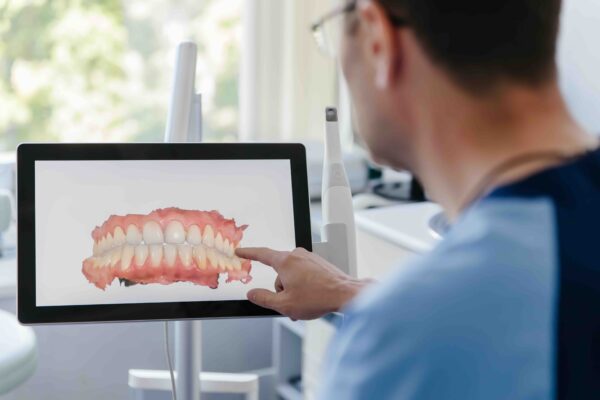
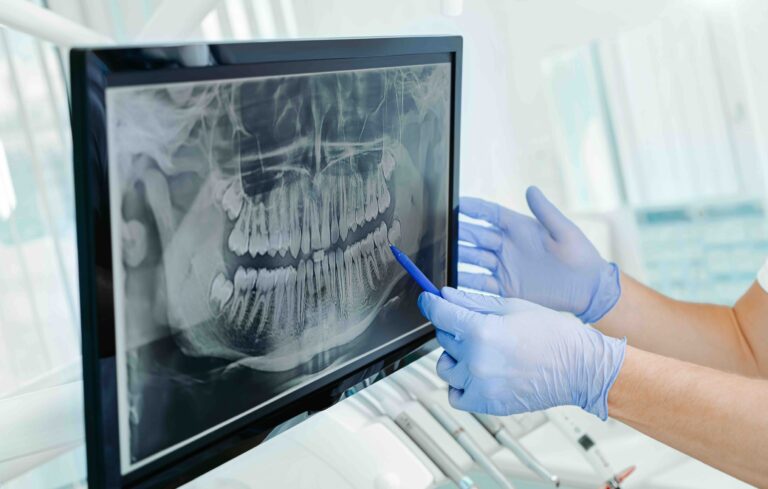
Before any meaningful treatment starts, there has to be a full assessment. That usually includes measuring the pocket depths around each tooth, checking for bleeding, evaluating gum recession, noting mobility, looking at plaque and tartar accumulation, and taking radiographs to assess bone levels. Dentists also review medical history because systemic conditions can influence both disease severity and healing.
Pocket measurements often surprise patients. A healthy sulcus around a tooth is generally shallow, often around 1 to 3 millimeters. When the gum detaches and inflammation persists, deeper spaces form. A 4 millimeter area with bleeding may need closer attention. Pockets of 5 millimeters or more, especially when accompanied by bone loss, often point to periodontitis that requires more than routine cleaning.
This visit is also where pattern recognition matters. If nearly every site in the mouth is inflamed, that suggests one set of underlying issues. If the worst destruction is clustered around older dental work, crowded lower front teeth, or partially erupted wisdom teeth, that points in another direction. Experienced clinicians do not just record numbers. They ask why the disease looks the way it does.
Why the cause matters as much as the severity
Plaque bacteria are central to gum disease, but they are not the whole story. The mouth is shaped by habits, anatomy, restorations, medications, breathing patterns, and overall health. A patient who clenches heavily may have recession and mobility that complicate periodontal healing. Someone taking a medication that causes dry mouth may build plaque faster. A person with poorly controlled diabetes may experience more severe inflammation and slower recovery.
Smoking deserves special mention because it changes the disease picture in a way that can be misleading. Smokers sometimes show less obvious bleeding even when substantial damage is present. Their gums may look less inflamed on the surface while deeper destruction continues. Healing after treatment is also less predictable. Anyone planning serious Gum Disease Treatment benefits from hearing this plainly, because smoking cessation can materially improve outcomes.
There are also local mechanical factors that quietly drive disease. Overhanging fillings, ill-fitting crowns, food traps between teeth, and misaligned bite forces can make a clean mouth difficult to maintain. If these are not addressed, treatment can stall. Patients sometimes feel frustrated when a dentist recommends changing a restoration while discussing gum therapy, but there is a practical reason. Periodontal care works best when the environment is not fighting against it.
The usual treatment pathway, from least invasive to more advanced care
Most comprehensive treatment plans follow a progression. The exact order can differ, but the logic is consistent: diagnose accurately, reduce bacterial load, reassess tissue response, and escalate only where necessary.
- A full periodontal exam establishes the extent of disease and identifies contributing factors.
- Initial therapy, often including scaling and root planing, removes plaque and tartar below the gumline.
- A healing period follows, then the gums are remeasured to see which areas improved and which did not.
- Persistent deep pockets, defects, or access problems may require surgical periodontal treatment.
- Long-term maintenance keeps the disease from returning and protects the gains from therapy.
That sequence sounds straightforward on paper. In real life, each stage requires judgment. Some patients need local anesthetic and treatment divided by quadrants because the buildup is heavy and the root surfaces are rough. Others respond quickly, and reassessment shows that surgery is unnecessary. A few need urgent attention for specific teeth while broader disease control is still underway.
Initial therapy, what deep cleaning really involves
When people hear "deep cleaning," they often picture a slightly more intense version of a routine hygiene visit. Scaling and root planing is more purposeful than that. The objective is to remove hardened deposits and bacterial biofilm from the root surfaces beneath the gums, where toothbrushes and ordinary polishing cannot reach. Root planing also smooths contaminated root surfaces so the tissues have a better chance to reattach and heal.
Treatment is frequently done under local anesthetic, especially if multiple sites are involved or if pockets are deep. Some offices complete one side of the mouth at a time, others divide treatment into four quadrants. The approach depends on disease extent, patient comfort, scheduling, and the clinician's preference. A mouth with moderate disease may be treated over two visits. More complex cases can take longer and may involve adjunctive antimicrobial measures.
Patients often ask whether this stage hurts. During the procedure, numbness usually keeps discomfort controlled. Afterward, soreness, temperature sensitivity, and mild tenderness for a few days are common. The gums may shrink slightly as inflammation settles, which is actually a sign that swollen tissue is resolving. Teeth https://fernandovdqm604.readspirex.com/posts/gum-disease-treatment-for-bleeding-gums-effective-solutions can look a bit longer afterward, and spaces between them may seem more visible. That change can be unsettling if nobody warned the patient in advance, but it often reflects healthier tissue contours rather than a complication.
Home care becomes part of the treatment, not an optional add-on
Professional therapy can disrupt the disease process, but daily plaque control determines whether the results last. This is the point where generic advice like "brush and floss more" is not enough. Patients do better when they receive technique-specific instruction tied to their anatomy and risk areas.
A person with recession and root exposure may need a softer brushing approach and a low-abrasion toothpaste. Someone with wider spaces between teeth may clean more effectively with interdental brushes than with standard floss alone. A patient with a bridge, implant, or orthodontic retainer may need threaders, water irrigation, or a different sequence at night. The best instructions are concrete, not vague.
There is also a timing issue that matters. Immediately after scaling and root planing, some patients become overly cautious and avoid brushing tender areas. That is understandable, but letting plaque accumulate during healing works against the treatment. Clinicians usually recommend gentle but thorough cleaning, sometimes with a prescription rinse for a short period if indicated. The details vary, but the principle remains the same: the mouth has to stay clean while the tissues reorganize.
Re-evaluation is where the real progress becomes visible
A few weeks after initial treatment, often around four to eight weeks depending on the case, the gums are reassessed. This is one of the most important visits in the entire process because it separates areas that have responded from those that still pose risk.
At re-evaluation, pockets are measured again, bleeding is checked, and the tissue tone is compared with the original findings. Healthy healing tends to show less redness, less swelling, less bleeding, and shallower pockets. Even a 1 to 2 millimeter reduction in pocket depth can make a meaningful difference in how maintainable a site becomes. If a 6 millimeter bleeding pocket improves to 4 millimeters with good tissue tone, surgery may no longer be necessary there.
On the other hand, some areas remain stubborn. Deep defects behind molars, furcations between roots, uneven bone contours, and pockets under bulky restorations often do not resolve fully with nonsurgical care alone. This does not mean initial therapy failed. It means the re-evaluation did its job by identifying where additional intervention is warranted.
When surgical periodontal treatment becomes the better option
The word "surgery" can make patients hesitate, but periodontal surgery is often recommended for practical reasons, not dramatic ones. If deep pockets remain, the clinician may not be able to access and clean those root surfaces predictably without lifting the tissue. Surgery can improve visibility, reduce pocket depth, reshape problematic tissue or bone contours, and in selected cases regenerate lost support.
Common procedures include flap surgery for access and debridement, osseous recontouring to smooth irregular bone, grafting for recession defects, and regenerative procedures in localized bony defects where conditions are favorable. Not every bone defect can be rebuilt, and ethical treatment planning requires saying that clearly. Regeneration works best in certain contained defects, in healthy nonsmokers or well-managed patients, with excellent plaque control. It is not magic, and it is not universal.
One of the most satisfying clinical shifts happens when a hopelessly inflamed site that bleeds constantly becomes quiet and maintainable after properly chosen surgery. That said, surgery also has trade-offs. Recovery takes time. Costs are higher. Gum margins may change position. In esthetic areas, planning has to balance disease control with appearance. Experienced periodontists spend a lot of time discussing what success should realistically look like before moving ahead.
Teeth that are loose, drifting, or difficult to save
Some patients seek care only after they notice movement in a tooth. Mobility can result from bone loss, inflammation, bite trauma, or a combination of factors. Once the supporting structures are compromised, the treatment conversation becomes more complex.
A loose tooth is not automatically doomed. If the mobility is largely inflammatory, it may improve significantly after infection control. If a tooth has a vertical defect and favorable anatomy, periodontal therapy may stabilize it well enough for years of function. In other cases, especially where there is severe bone loss around multiple surfaces or a root fracture is suspected, the honest recommendation may be extraction.
This is where comprehensive care matters. Saving every tooth at any cost is not always good dentistry. A severely compromised tooth can jeopardize adjacent structures, distort the bite, trap plaque, and absorb time and money with little long-term value. On the other hand, premature extraction of a restorable tooth is equally problematic. The right choice depends on prognosis, strategic importance, patient goals, hygiene capacity, and restorative planning.
How restorative and orthodontic factors fit into gum disease treatment
Periodontal health does not exist in isolation from the rest of dentistry. If a crown margin sits too deep under the gum and traps plaque, inflammation may persist no matter how well the root surfaces were cleaned. If lower front teeth are crowded, patients may struggle to keep them plaque-free even with good effort. If a back tooth has a chronic food impaction because contact is open, the gum between those teeth may stay irritated.
Sometimes the periodontal phase should happen first, to calm the tissues before replacing restorations or moving teeth. Sometimes a failing restoration has to be addressed early because it is part of the cause. Orthodontic treatment can be helpful after disease control when crowding or traumatic bite relationships are contributing factors, but moving teeth through active periodontal inflammation is not appropriate.
These sequencing decisions are one reason comprehensive Gum Disease Treatment often involves coordination. General dentists, periodontists, hygienists, and occasionally orthodontists need a shared understanding of the priorities. Patients notice the difference when care is coherent rather than fragmented.
Maintenance is where long-term success is won or lost
The biggest misconception about gum disease is that once treatment is finished, the problem is gone forever. Periodontitis is better thought of as a chronic condition that can be controlled, often very successfully, but requires maintenance. The bacteria recolonize. Plaque returns daily. Old risk factors can reassert themselves quietly.
For that reason, patients treated for periodontitis are usually placed on a periodontal maintenance schedule rather than a generic six-month cleaning cycle. Three-month intervals are common at first, though timing can vary. A well-controlled low-risk patient may eventually stretch to four months. Someone with recurrent buildup, bleeding, smoking history, or deep residual pockets may need to stay closer to three-month care indefinitely.
At maintenance visits, the team is not just polishing teeth. They are monitoring pocket depths, checking bleeding points, assessing tissue stability, removing deposits in areas the patient cannot fully manage alone, and catching recurrence before it becomes severe. This phase is less dramatic than surgery, but it is the part that protects everything else.
What patients can do to improve their odds
Certain habits consistently make treatment go better. None of them are glamorous, but they matter.
- Keep maintenance appointments even when the mouth feels fine.
- Clean between teeth daily with the method your clinician specifically recommended.
- Report bleeding, swelling, bad taste, or a new loose tooth early, not months later.
- If you smoke or vape nicotine, reduce and ideally stop before and after treatment.
- Work on related health factors, especially diabetes control, because the gums respond to the whole body.
Patients sometimes underestimate how much small daily actions compound over time. A person who cleans thoroughly five nights a week instead of one or two often sees a clear difference at the next visit. Likewise, someone who stops smoking during the treatment phase can show noticeably better tissue response than expected.
The emotional side of treatment often goes unspoken
There is a practical emotional burden to gum disease that clinicians sometimes overlook. Patients may feel embarrassed that they let symptoms go on too long, anxious about losing teeth, or skeptical after being told very different things by different offices. Some are surprised by the commitment involved. Others fear that every recommendation is financially driven.
The best antidote is specificity. When patients are shown pocket charts, radiographic findings, bleeding points, and before-and-after changes, treatment begins to make sense. They can see that a 7 millimeter pocket behind a molar is not the same as a little tartar on the front teeth. They understand why one area needs surgery while another does not. Transparency lowers fear.
It also helps to frame progress realistically. Comprehensive Gum Disease Treatment is often about control and stabilization, not returning the mouth to how it looked at age twenty. Bone that has been lost does not usually grow back on its own. Recession may not fully reverse. But many patients can keep comfortable, functional teeth for a very long time once the disease is brought under control and maintenance becomes routine.
What a successful outcome usually looks like
Success is not always dramatic. In fact, the healthiest periodontal outcomes often look deceptively ordinary. The gums are firm rather than puffy. Brushing no longer causes routine bleeding. Breath improves because chronic inflammation and debris are reduced. Pocket depths are smaller or at least stable. Radiographs stop showing progressive bone loss. Teeth feel more comfortable to chew on, even if they are not cosmetically perfect.
In advanced cases, success may mean preventing extractions that once seemed likely. In moderate cases, it may mean avoiding surgery because nonsurgical therapy and home care worked well. In mild cases, it may mean catching gingivitis before it turns into periodontitis. These are all worthwhile outcomes.
The larger point is that gum disease responds best to a thoughtful process, not a shortcut. A proper evaluation, targeted cleaning below the gumline, patient-specific home care, careful reassessment, and maintenance over time form the backbone of effective treatment. When necessary, surgical care and restorative correction add precision where basic measures are not enough. That is what comprehensive care looks like in real practice, steady, evidence-based, and tailored to the mouth in front of you.
Dental Group Of Beverly Hills
Address: 8641 Wilshire Blvd #125, Beverly Hills, CA 90211
Phone number: +13109296335
FAQ About Gum Disease Treatment
How to improve gum health quickly?
To improve gum health quickly, eliminate plaque buildup by brushing for two full minutes twice a day at a 45-degree angle to the gumline. Floss daily to clean under the gumline, and rinse with an antimicrobial, alcohol-free mouthwash. For immediate relief of soreness, use a warm saltwater rinse.
What is the fastest way to cure gum disease?
To quickly cure early-stage gum disease (gingivitis), eliminate the plaque buildup causing the inflammation. Brush gently but thoroughly for two minutes twice daily, floss daily, and use an antibacterial mouthwash or a warm saltwater rinse. However, if tartar has hardened, professional treatment is necessary.
How do I treat my gum disease at home?
You can treat early gum disease at home by practicing strict daily oral hygiene, rinsing with salt water or antibacterial mouthwash, and quitting smoking. True gum disease (especially advanced forms like periodontitis) cannot be fully cured at home once tartar forms, and you must see a dentist for professional cleanings.